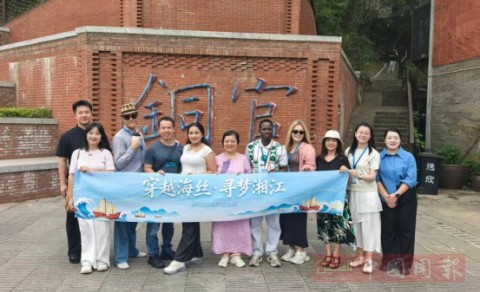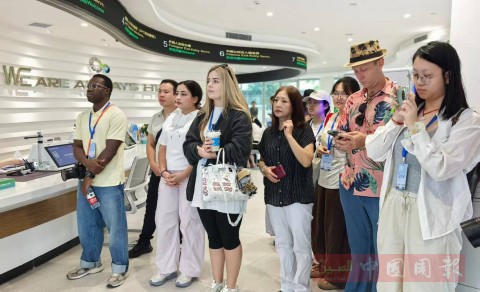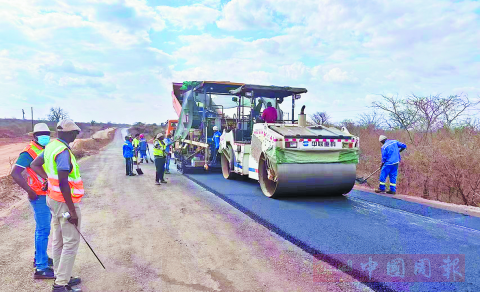
In the golden autumn of September, Wangcheng by the Xiangjiang River is wrapped in pleasant autumn scenery. Recently, a delegation of international friends from various countries visited Wangcheng District, Changsha. They explored the time‑honored ceramic relics, wandered through the ancient commercial town of Jinggang, and paid field visits to rural areas.
The group gained immersive insights into the profound historical heritage of Hunan‑Chu culture, vivid practices of rural revitalization, and ecological charm of an urban‑rural landscape. The on‑site visit served as a bridge for cultural exchanges and people‑to‑people bonds between different civilizations.
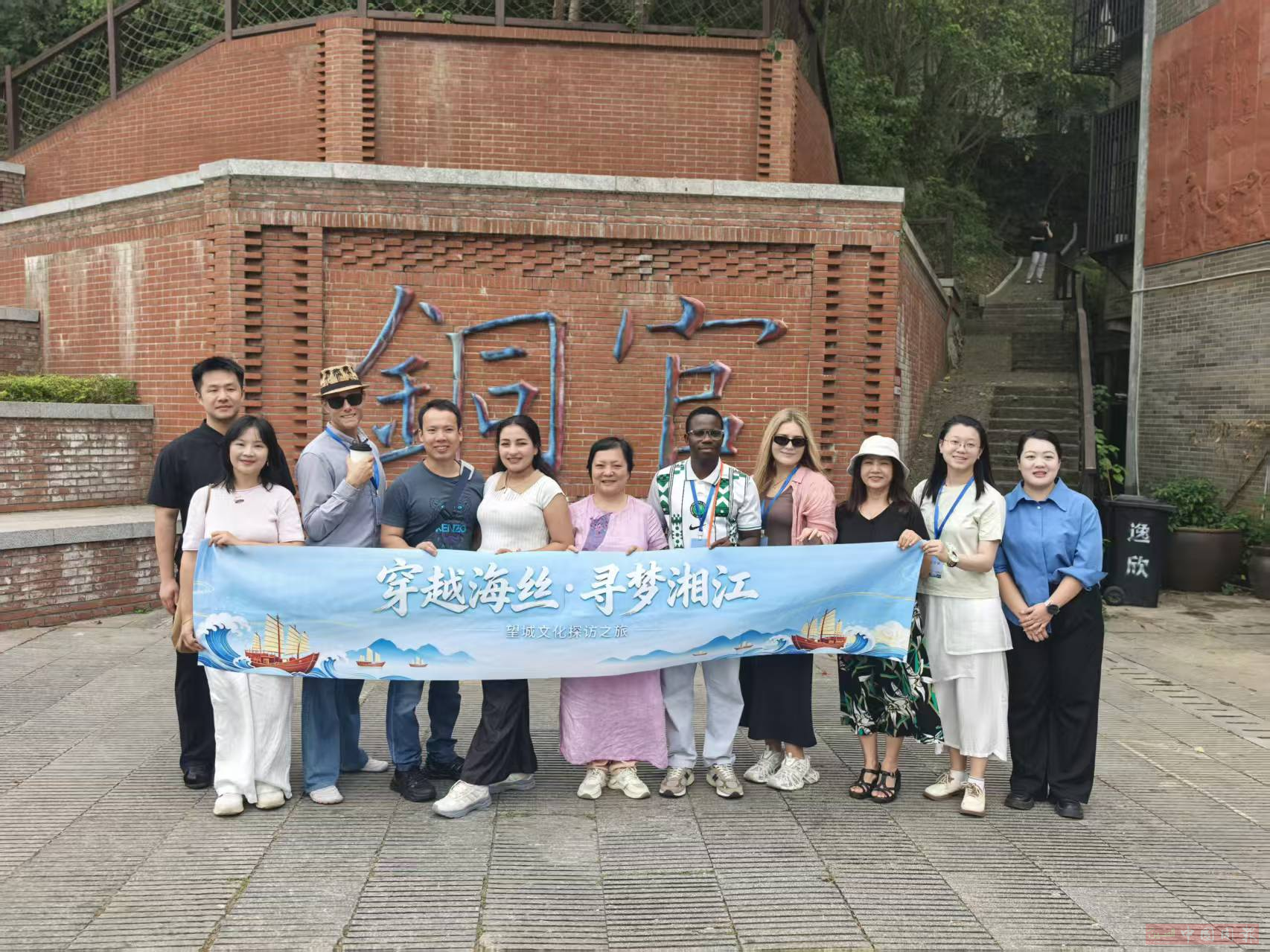
The delegation first arrived at Tongguan Kiln National Archaeological Site Park, birthplace of under‑glaze colorful ceramics. More than a thousand years ago, numerous porcelain wares set sail from here aboard the Black Stone merchant ship, writing a glorious chapter of trade along the Maritime Silk Road.
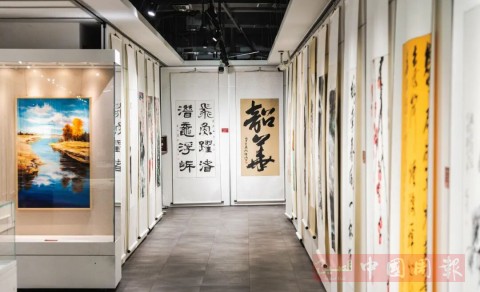
At the Tongguan Kiln Museum, international guests paused to admire unearthed porcelain artifacts and listened to stories of Sino‑foreign trade behind the Black Stone Ship wreck. At the well‑preserved Tang‑Dynasty Tanjiapo Dragon Kiln site, they learned about ancient ceramic‑making procedures. Many guests tried hand‑throwing pottery at the intangible‑cultural‑heritage workshop, experiencing the enduring charm of traditional craftsmanship.
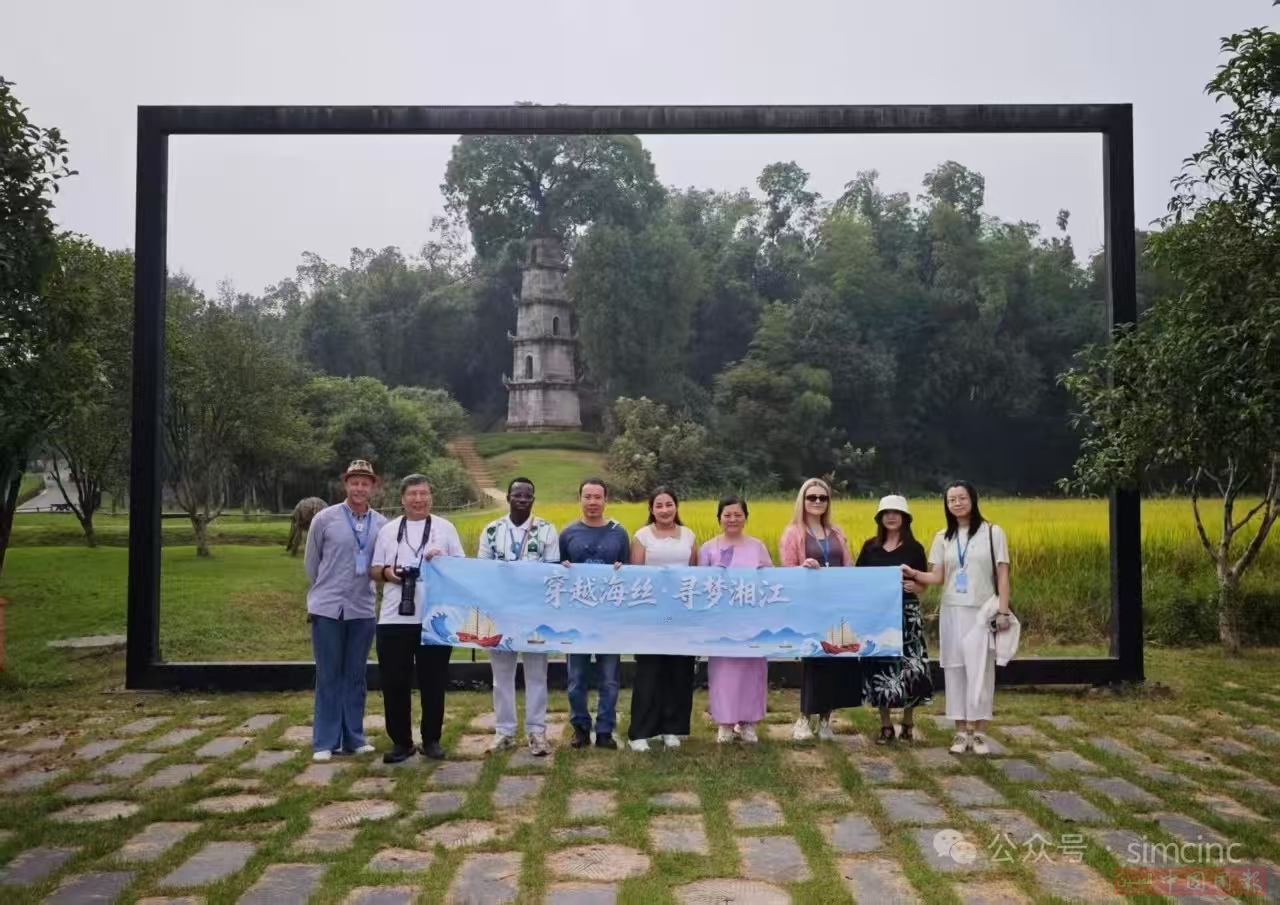
Later, the group strolled through Jinggang Ancient Town. Lined with bluestone streets by the river, the ancient town features old shops, opera stages and intangible‑cultural‑heritage exhibition halls. Once an important commercial wharf on the Xiangjiang River, Jinggang was known as “Little Hankou”. International visitors wandered along lanes, watched shadow‑puppet shows and tasted local snacks, experiencing the time‑honored merchant culture and everyday charm of the ancient wharf.
At Tuanshanhu Village, the delegation observed local living conditions and learned about practices including improvement of human settlements, integration of agriculture, culture and tourism, and growth of village‑level collective economy. Neat courtyards and expansive farmland offered overseas guests a first‑hand view of China’s rural transformation. They spoke highly of Wangcheng’s efforts in translating ecological resources into tangible well‑being for local residents.
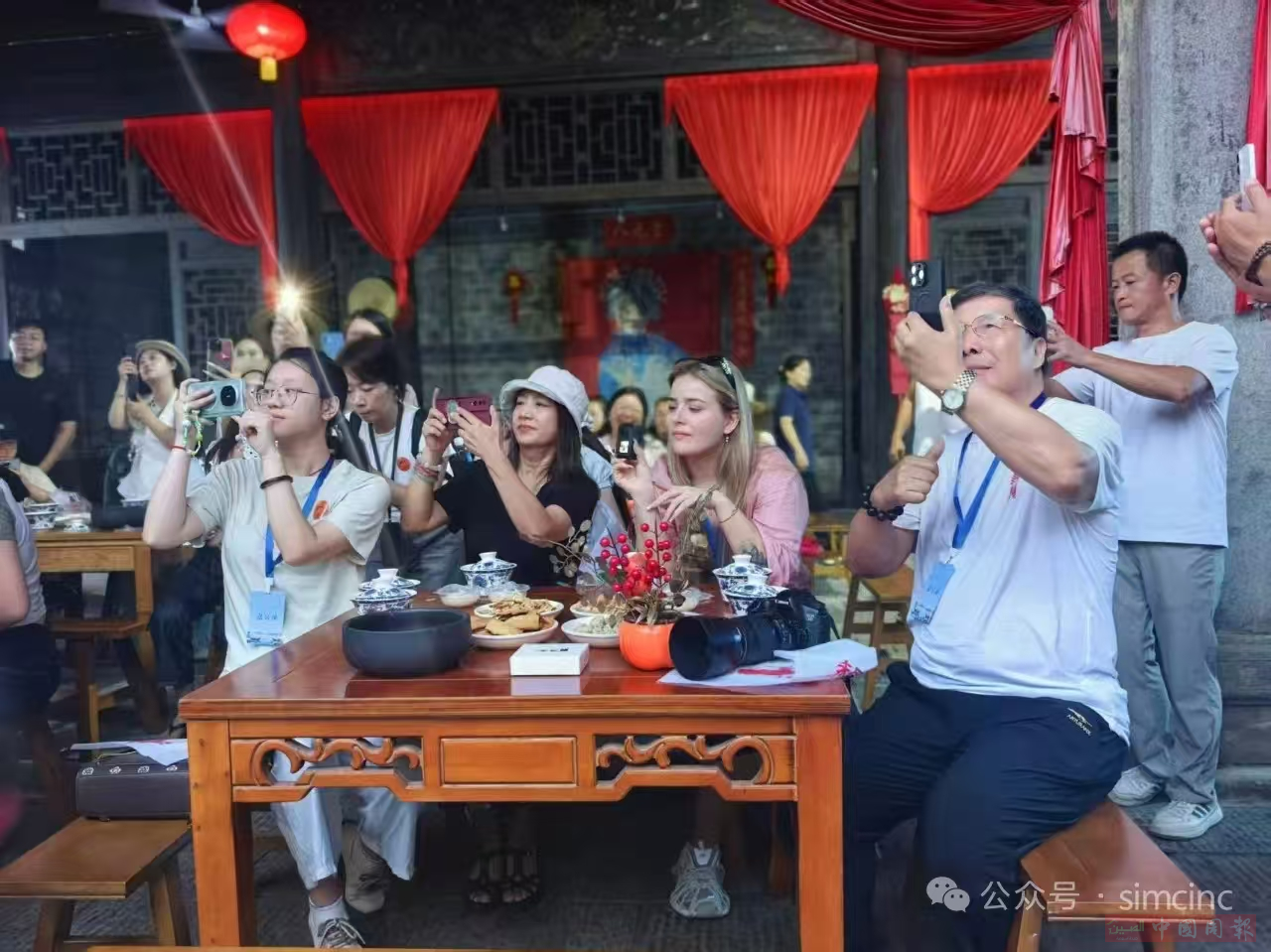
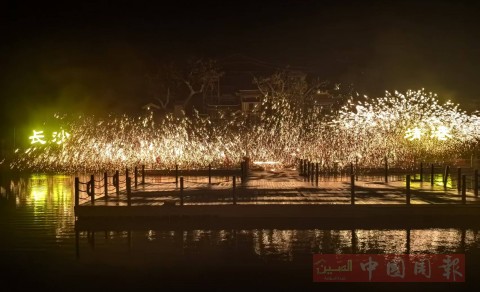
In the evening, the group visited the Dazehu Near‑natural Wetland Park, witnessing a development model that balances new‑city construction and ecological conservation.
Throughout the tour, international friends commented that Wangcheng boasts profound historical heritage as well as dynamic modern vitality, with precious intangible cultural heritage and inspiring rural‑development examples. The field visit helped them form a real‑world understanding of China beyond books. Many expressed hope to act as cultural envoys, sharing what they had seen and learned with audiences back home and promoting dialogue among civilizations.
This cultural tour tells stories of Wangcheng and Changsha to the outside world, further advancing Sino‑foreign cultural and people‑to‑people exchanges.